Updated November 2026. Prices are rough US figures and vary by country, area and year.
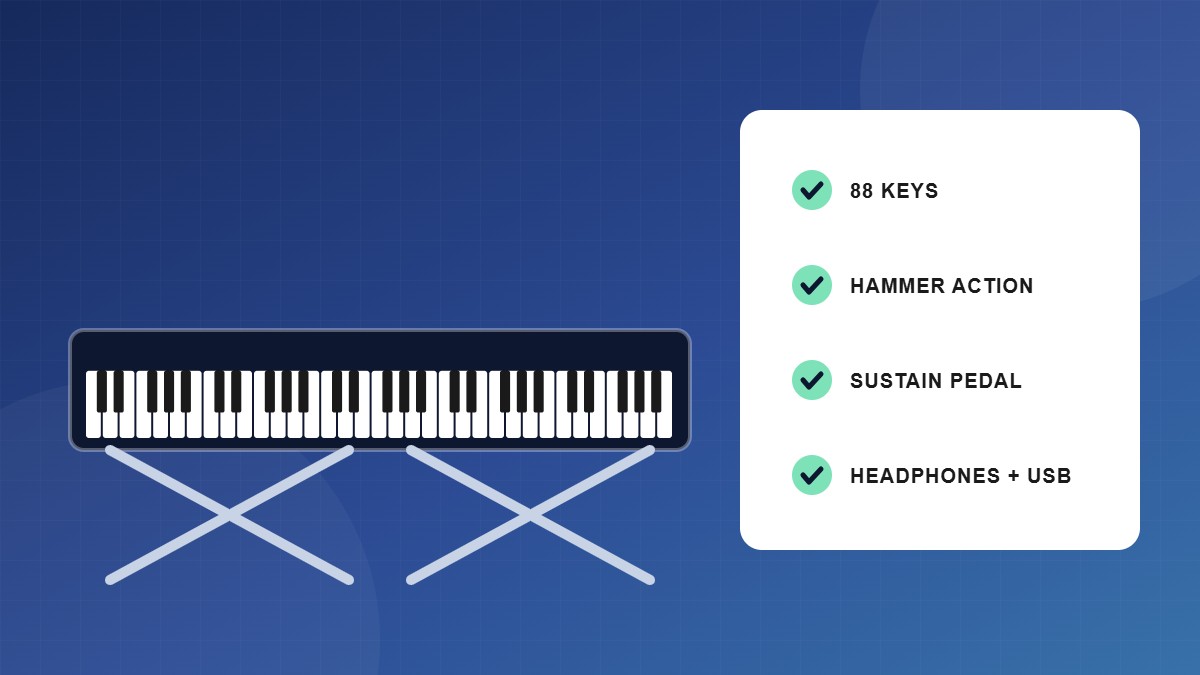
Quick answer: make sure it has:
- 88 keys, the full piano range.
- Fully weighted, hammer-action keys that are touch-sensitive.
- A proper sustain pedal, piano-shaped rather than a small square switch.
- A headphone socket and USB for quiet practice, apps and recording.
Expect to spend about $450–$600 for a good first portable model. Ignore the number of voices and rhythms.
What matters, and why
| Feature | Why it matters | Look for |
|---|---|---|
| Key action | The biggest factor in learning. Light keys build habits that don’t transfer to a real piano. | Graded hammer action. See key actions explained. |
| Piano sound | You’ll hear it every day, so it should make you want to play. | Try it through headphones as well as the speakers. |
| Polyphony | How many notes can sound at once. Low numbers cut notes off when you use the pedal. | 128 or more |
| Pedal | Cheap square switches feel nothing like a piano pedal. | A piano-style pedal, ideally with half-pedal support |
| Connections | Headphones for quiet practice, USB for apps and recording | Headphone socket and USB to Host. Bluetooth is a bonus. |
Portable or cabinet?
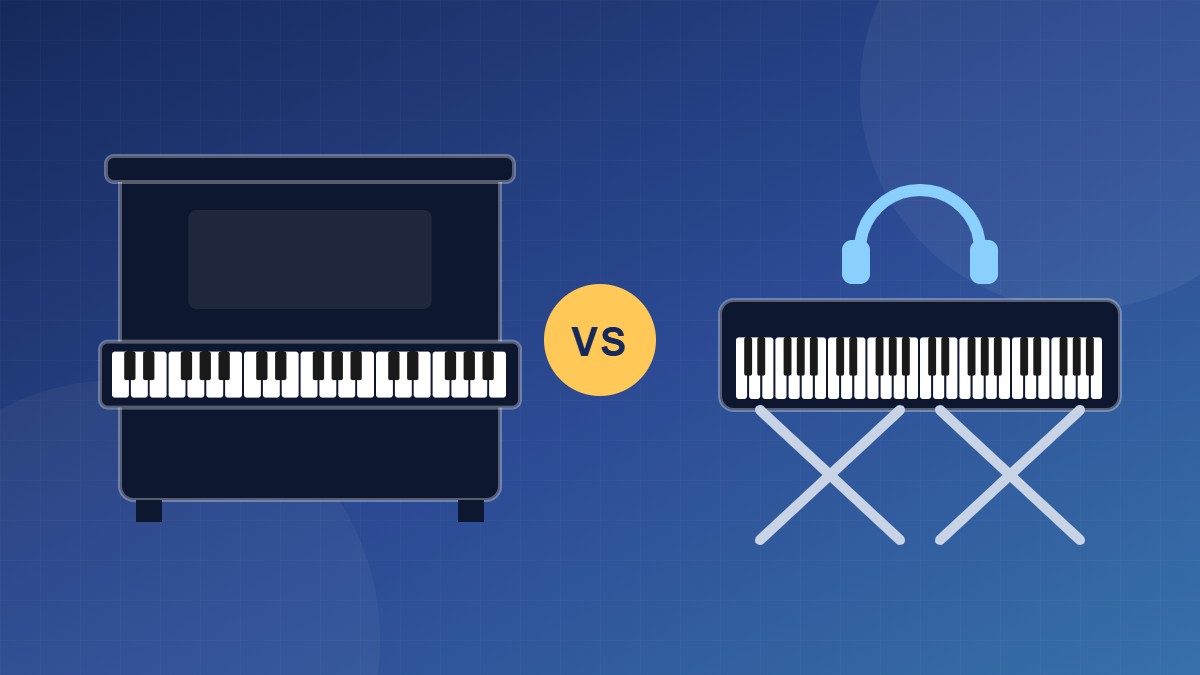
Portable (slab) pianos are slim, light and cheaper, and sit on a separate stand. Cabinet (console) pianos look like furniture, with a built-in stand, three pedals and usually better speakers. They cost more and are harder to move. Many portable models offer an optional matching stand and three-pedal unit, which gets you most of the way.
Popular beginner models to compare
These come up again and again in 2026 beginner recommendations. Compare current prices and try them in a shop if you can:
- Yamaha P-145: a popular all-rounder with a well-liked piano sound.
- Roland FP-10: praised for its key action at this price, with Bluetooth MIDI.
- Kawai ES60 / ES120: Kawai’s entry models, known for their piano tone.
- Casio CDP-S110 / CDP-S160: among the cheapest 88-key weighted pianos.
What you can safely ignore
- Hundreds of voices and rhythms. You’ll use the piano and maybe an electric piano.
- Built-in lesson modes. Apps and teachers do this better.
- Big speaker wattage numbers. Listen instead of reading the spec sheet.
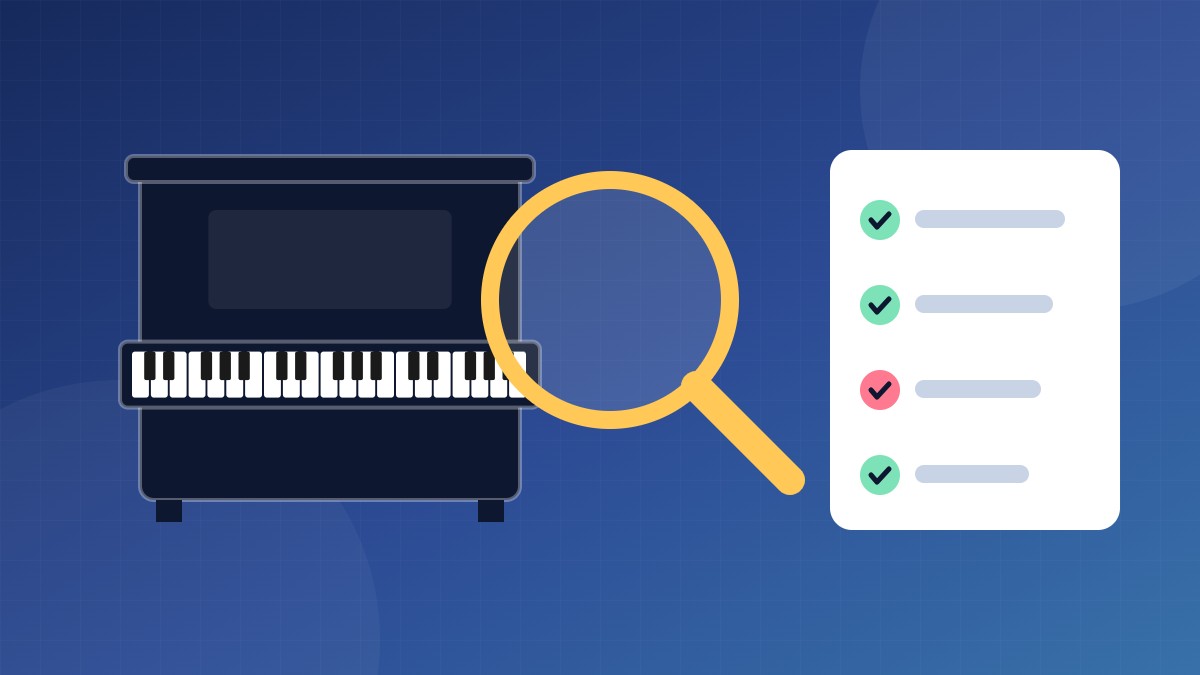
Red flags
- “Piano-style” or “touch-sensitive” keys that aren’t weighted. That’s a keyboard, not a digital piano.
- 61 or 76 keys, if your goal is to learn piano.
- No headphone socket.
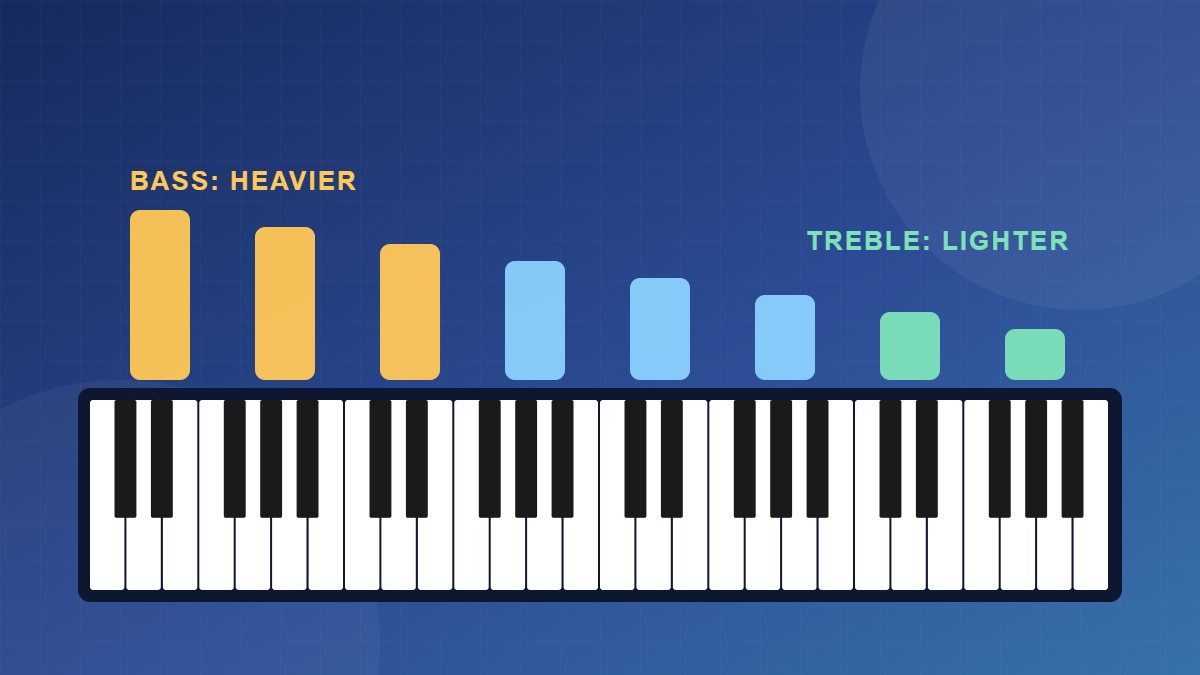
Try before you buy: play your softest notes, fast repeated notes, and compare how heavy the bass keys feel against the top keys. Soft playing is where cheap actions show their limits.
FAQ
Does the brand matter?
Yamaha, Roland, Kawai and Casio all make good beginner pianos. Pick the one whose touch and sound you like best.
Do I need Bluetooth?
No. It’s handy for learning apps on a tablet, but a USB cable does the same job.
Should I buy used?
A used digital piano from a known brand can be a good deal. Test every key and the pedal, and check the headphone socket.